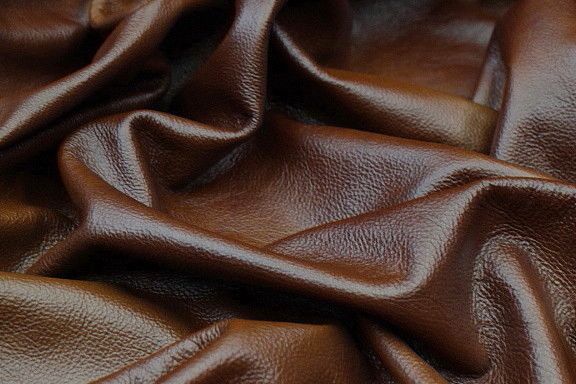
How Eco-Friendly Leather is Transforming the Fashion Industry
The fashion industry is undergoing a significant transformation as the demand for sustainable practices grows, and eco-friendly leather is at the forefront of this change. Traditional leather production is known for its detrimental environmental impact, largely due to the toxic chemicals used in the tanning process and the significant resources required for livestock farming. In contrast, eco-friendly leather options, such as plant-based leathers made from materials like apple peels, mushrooms, and recycled plastics, offer a sustainable alternative that drastically reduces carbon footprints while promoting ethical sourcing practices.
This shift towards eco-friendly leather not only benefits the environment but also appeals to a more conscious consumer base that prioritizes sustainability. Brands that adopt these innovative materials are finding new ways to enhance their product offerings, resulting in stylish, durable, and environmentally responsible fashion items. As awareness of climate change and environmental degradation continues to rise, eco-friendly leather is poised to redefine luxury fashion, proving that style and sustainability can coexist beautifully.
Counter-Strike is a highly competitive first-person shooter game that has gained immense popularity since its release. Players join either the terrorist or counter-terrorist team to complete objectives, such as planting bombs or rescuing hostages. For gamers looking to protect their devices, here are the Top 10 iphone leather cases that provide durability and style.
Top 5 Sustainable Leather Brands Redefining Style
In recent years, the demand for environmentally conscious fashion has surged, leading to the emergence of innovative brands redefining style with sustainable materials. Among these, sustainable leather brands are at the forefront, creating products that are not only chic but also eco-friendly. Here are the top 5 sustainable leather brands changing the landscape:
- Matt & Nat - Renowned for their use of recycled materials, Matt & Nat creates stylish bags and accessories that prioritize sustainability without compromising on design.
- Reverie - This brand offers a luxurious approach to vegan leather, with unique textures and colors that cater to modern aesthetics.
- Veja - Combining high fashion with fair trade, Veja's leather is sourced from certified tanneries that adhere to strict environmental regulations.
- Stella McCartney - A pioneer in sustainable luxury, Stella McCartney has long championed the use of alternative materials while maintaining a commitment to ethical practices.
- Fjallraven - Known for durable outdoor gear, Fjallraven uses leather treated in a way that minimizes environmental impact, perfect for stylish adventurers.
Is Vegan Leather Really a Sustainable Alternative?
As consumers become increasingly aware of their ecological footprint, the question arises: Is vegan leather really a sustainable alternative? While traditional leather production is notorious for its environmental impact, which includes high water usage and toxic chemical processes, vegan leather attempts to mitigate these issues. However, it's essential to understand that not all vegan leather is created equal. Some options are made from polyurethane (PU) or polyvinyl chloride (PVC), both of which can be harmful to the environment due to their fossil fuel origins and difficulty in biodegradation. Therefore, recognizing the source of vegan leather is crucial for assessing its sustainability.
In contrast, there are more sustainable alternatives emerging within the vegan leather market, such as those made from recycled plastics, pineapple leaves, or even mushrooms. These innovative materials aim to offer a more eco-friendly solution while still providing the aesthetic and function of traditional leather. It's imperative for consumers to conduct thorough research, looking for brands that prioritize sustainable practices and transparency. Ultimately, the sustainability of vegan leather lies in its materials and the methods used in its production. Choosing wisely allows consumers to align their fashion choices with their environmental values.