Understanding Blue Light: How It Affects Your Eyes and Sleep
Understanding blue light is essential in today's digital age, as it plays a significant role in our daily lives. Found primarily in natural sunlight, blue light is also emitted by electronic devices such as smartphones, tablets, and computer screens. Exposure to blue light during the day can enhance alertness and improve mood, but excessive exposure, especially at night, can disrupt our circadian rhythms. This disruption can lead to difficulties in falling asleep and poor sleep quality, as the body struggles to produce melatonin, the hormone responsible for sleep regulation.
To mitigate the impact of blue light on your eyes and sleep, consider the following strategies:
- Limit screen time at least an hour before bedtime.
- Use blue light blocking glasses when using screens in the evening.
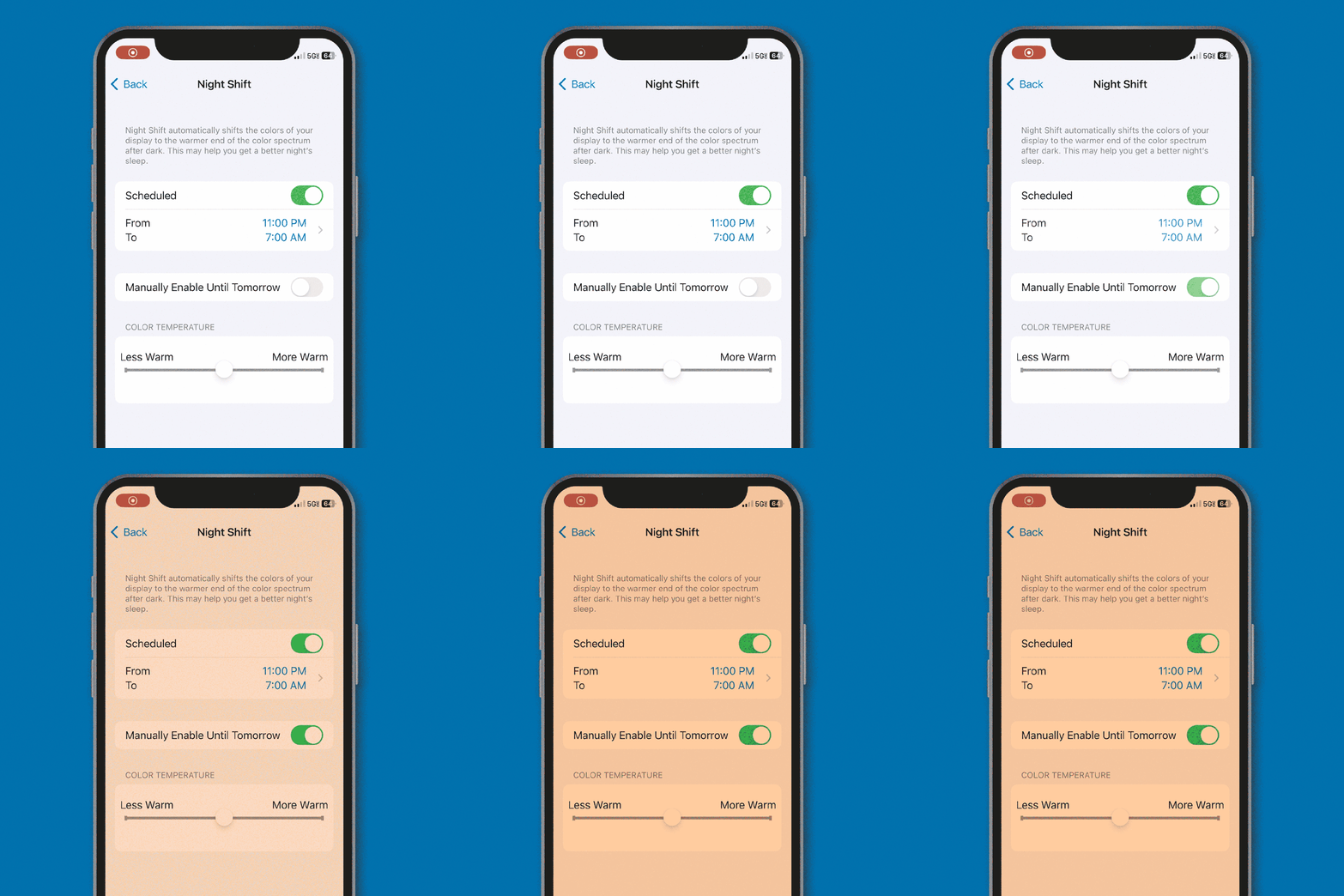
- Enable 'night mode' or 'blue light filter' settings on your devices.
- Incorporate more natural light into your workspace during the day.
Counter-Strike is a tactical first-person shooter game that has captivated players since its release in 1999. Known for its competitive gameplay, players can choose to take on the role of terrorists or counter-terrorists in various mission objectives. For gamers spending long hours in front of screens, it's essential to consider comfort and eye health. Check out the Top 10 Phone Accessories for Eye Strain to enhance your gaming experience while protecting your vision.
The Science Behind Blue Light Filters: Do They Really Work?
The science behind blue light filters has gained considerable attention in recent years, especially with the increased use of digital devices. Blue light, which is part of the visible light spectrum, has a short wavelength and can be quite intense. Studies suggest that prolonged exposure to blue light may lead to eye strain, discomfort, and even disrupt sleep patterns by affecting the melatonin production in our bodies. As a response to these concerns, blue light filter technology has emerged as a potential solution. These filters, incorporated into screens or as separate lenses, are designed to reduce the amount of blue light emitted, easing the visual load on our eyes, and potentially improving overall visual comfort.
However, the effectiveness of blue light filters remains a topic of debate among scientists and eye care professionals. Some research indicates that while these filters can help reduce glare and improve visual ergonomics, they may not fully prevent the eye strain experienced from prolonged screen time. In a recent study, participants wearing blue light blocking glasses reported improved comfort levels, yet other studies suggest that the improvement is more psychological than physiological. To truly understand the impact of these filters, it is essential to consider factors like screen time duration, ambient lighting, and individual eye health, suggesting that while blue light filters can be beneficial, they should be part of a broader approach to eye health that includes regular breaks and proper screen habits.
Tips for Using Blue Light Filters Effectively for Better Sleep
Blue light filters have become an essential tool for those seeking to improve their sleep quality. One significant tip for using them effectively is to apply the filter during the evening hours, ideally two to three hours before bedtime. This helps minimize the exposure to blue light emitted by screens, which can interfere with the natural production of melatonin, a hormone responsible for regulating sleep. Consider using apps or built-in settings on your devices that automatically adjust the display's color temperature to a warmer tone as the sun sets. This proactive step can significantly enhance your nighttime rest.
Another effective way to maximize the benefits of blue light filters is to create a bedtime routine that incorporates screen-free activities. Engage in relaxing practices such as reading a physical book, practicing mindfulness, or enjoying a warm bath. If screens are unavoidable, ensure you use the blue light filter settings and wear blue light blocking glasses for additional protection. Consistently implementing these strategies can help you achieve a better, more restful sleep, allowing you to wake up refreshed and energized each day.