How Conversational Tech is Changing the Way We Drive
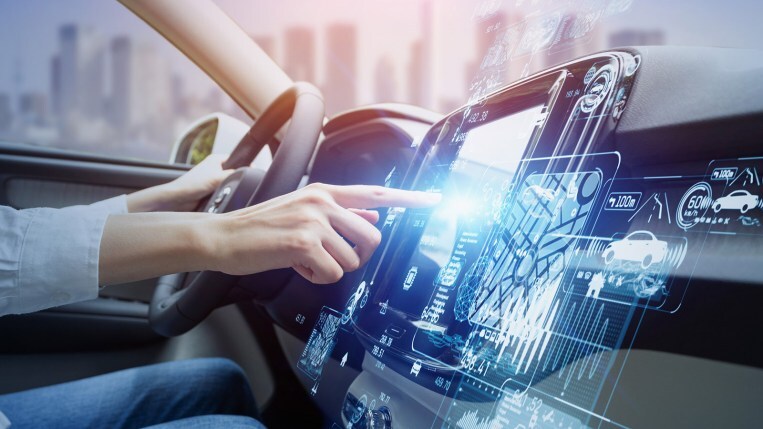
Conversational technology is revolutionizing the way we drive by enhancing communication between drivers and their vehicles. Voice-activated systems allow drivers to perform a variety of tasks without taking their eyes off the road or their hands off the wheel. For instance, simple commands can control navigation, make calls, or even adjust climate settings. This seamless integration not only improves convenience but also significantly enhances safety by reducing distractions.
Moreover, the evolution of conversational tech is opening new doors for personalized driving experiences. Advanced artificial intelligence systems learn from individual driving habits and preferences, resulting in tailored suggestions for routes, music playlists, and even optimal fuel efficiency practices. As these technologies continue to evolve, we may soon witness fully autonomous vehicles that utilize conversational AI to interpret and respond to both driver input and surrounding environments, creating a more intuitive and responsive driving experience.
Counter-Strike is a popular first-person shooter game that has captivated gamers since its release in 1999. Players are divided into two teams, terrorists and counter-terrorists, each with specific objectives. For those looking to enhance their gaming experience, it's essential to find the right accessories, such as the Top 10 iphone car mounts for mobile devices, which can provide better stability and usability.
Understanding the Technology Behind Talking Cars
The emergence of talking cars has revolutionized the driving experience, merging communication technology with automotive engineering. At the core of this innovation are advanced systems that utilize speech recognition and natural language processing (NLP). These technologies allow vehicles to understand and respond to human voice commands, enabling drivers to control functions such as navigation, music, and phone calls without taking their hands off the wheel. Additionally, many talking cars feature AI-driven assistants that can provide real-time updates on traffic, weather, and even vehicle diagnostics, enhancing both safety and convenience on the road.
Moreover, the integration of internet connectivity plays a crucial role in the functionality of talking cars. By connecting to the cloud, these vehicles can access vast amounts of data and provide more accurate information and services. The communication protocol that allows cars to connect to the internet is often based on V2X (Vehicle-to-Everything) technology, which enables cars to communicate with other vehicles, infrastructure, and even pedestrians. This interconnectedness not only improves the driving experience but also contributes to road safety by alerting drivers of potential hazards ahead, ultimately paving the way for a new era of smart transportation.
Can Your Car Really Talk? Exploring the Future of In-Car Communication
As we step into an era defined by rapid technological advancements, the question arises: Can your car really talk? This concept is becoming increasingly feasible as manufacturers integrate sophisticated communication systems into vehicles. Modern cars are equipped with advanced sensors and artificial intelligence (AI) that allow them to interact with drivers and passengers in real time. For instance, features like voice recognition and natural language processing enable your car to understand commands and provide feedback, making the driving experience more intuitive and connected.
The future of in-car communication promises even more revolutionary changes. Imagine a scenario where your vehicle not only responds to your commands but also anticipates your needs. With the integration of smart technology, cars are set to provide tailored suggestions based on your driving habits and preferences. As self-driving vehicles continue to evolve, in-car communication will play a crucial role in enhancing safety and convenience, paving the way for a new era of connected mobility.