How Wearable Technology is Reshaping Fashion Trends
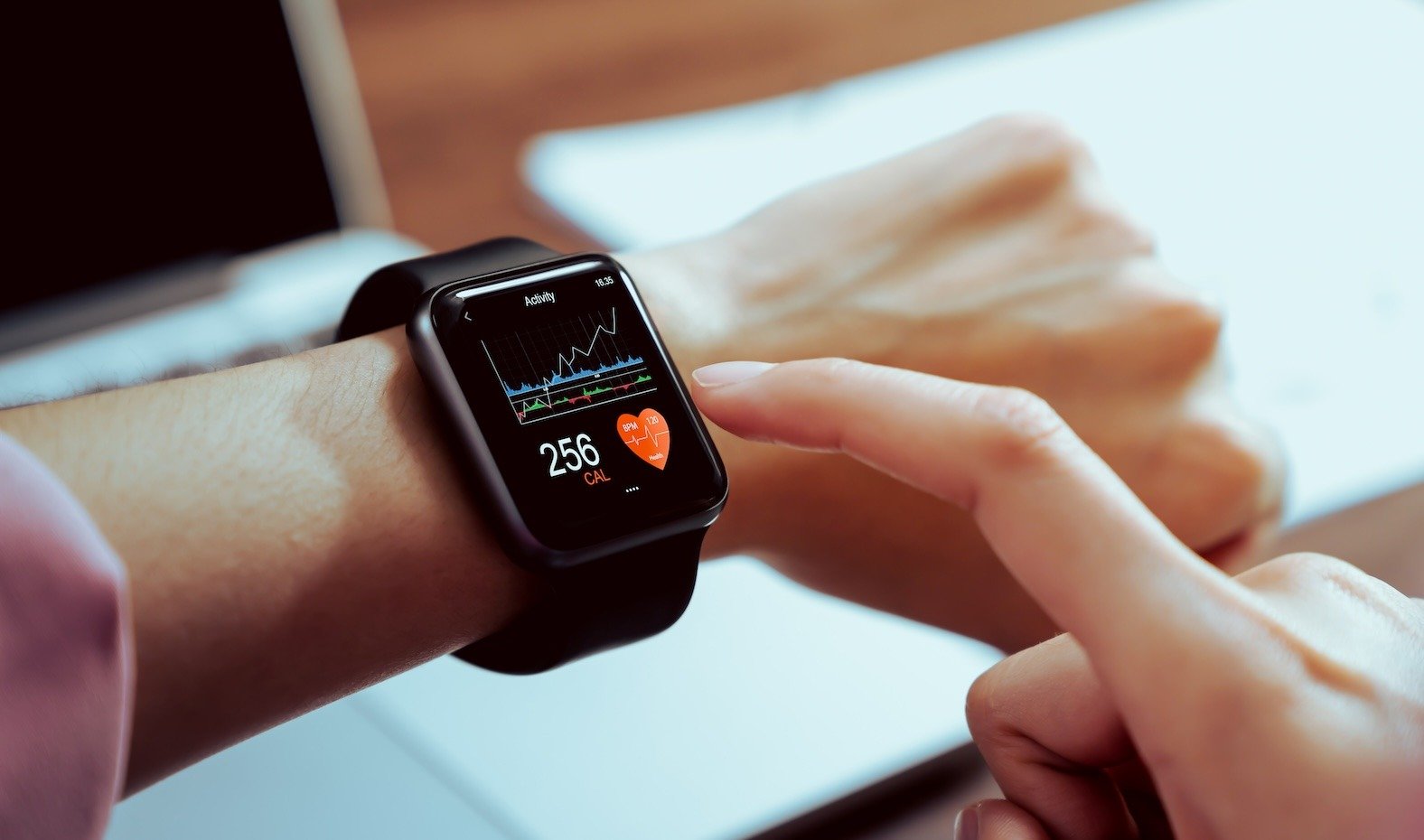
The intersection of technology and fashion has never been more pronounced than with the rise of wearable technology. Devices like smartwatches, fitness trackers, and augmented reality glasses are not just tools for functionality; they are becoming style statements that influence fashion trends. As consumers seek to blend aesthetics with technology, designers are committing to creating garments that integrate smart features without sacrificing style. This shift is evident in various collections, where designers are experimenting with fabrics that can monitor health metrics while still being visually appealing.
Moreover, the influence of wearable technology extends beyond mere accessories. High-fashion brands are partnering with tech companies to come up with innovative solutions that cater to the modern consumer. For instance, some brands have introduced clothes that incorporate LEDs for customizable designs, allowing wearers to express their individuality. As these advancements continue, it is clear that the future of fashion trends will heavily depend on the integration of technology, paving the way for a new era of style that is as practical as it is chic.
Counter-Strike is a popular first-person shooter video game franchise that has captivated gamers since its inception in 1999. Players join either the Terrorist or Counter-Terrorist teams to compete in various game modes, emphasizing teamwork, strategy, and skill. For those looking to enhance their productivity, check out the Top 10 Apple Watch Accessories for the Office which can help streamline your gaming sessions and keep you organized.
The Health Benefits of Wearables: Are They Worth the Hype?
The popularity of wearable devices has soared in recent years, with millions of users turning to gadgets such as fitness trackers, smartwatches, and heart rate monitors. But are the health benefits of wearables truly as significant as the hype suggests? Research indicates that these devices can enhance personal health monitoring by providing real-time data on physical activity, sleep quality, and vital signs. This level of accessibility empowers users to make informed decisions about their lifestyle and fitness regimens, potentially leading to improved outcomes in chronic disease management and overall well-being.
In addition to encouraging a more active lifestyle, wearable technology can foster a sense of accountability and motivation among users. Many devices feature interactive functionalities such as social sharing, challenges, and rewards, effectively transforming exercise into a communal experience. Moreover, wearables often come equipped with health tracking features that can alert individuals to irregularities, such as elevated heart rates or signs of sleep apnea, providing early warnings that may prompt users to seek medical advice. With these substantial advantages, it is clear that the hype surrounding health wearables has merit, making them a valuable addition to the arsenal of health improvement tools.
Can Wearables Become the Essential Accessories of Tomorrow?
As technology continues to evolve, the question arises: can wearables become the essential accessories of tomorrow? With the rapid advancement of smart devices, wearables such as smartwatches, fitness trackers, and augmented reality glasses are becoming increasingly prevalent in our daily lives. These devices not only offer enhanced connectivity but also provide valuable health insights and data tracking capabilities. As consumer demand for convenience and efficiency grows, wearables are being integrated into various aspects of life, from personal fitness to professional environments, thus positioning themselves as indispensable tools in our digital age.
Moreover, the potential for wearables extends beyond current functionalities. Innovations in wearable technology could lead to groundbreaking applications, such as real-time health monitoring that alerts users to potential medical issues before they become critical. Additionally, with the rise of the Internet of Things (IoT), wearables could evolve into key components that facilitate seamless interactions with other smart devices in our homes and workplaces. As these advancements continue, it becomes increasingly likely that wearables will not only occupy a role in our fashion choices but will also transform into essential accessories that redefine how we experience our everyday lives.