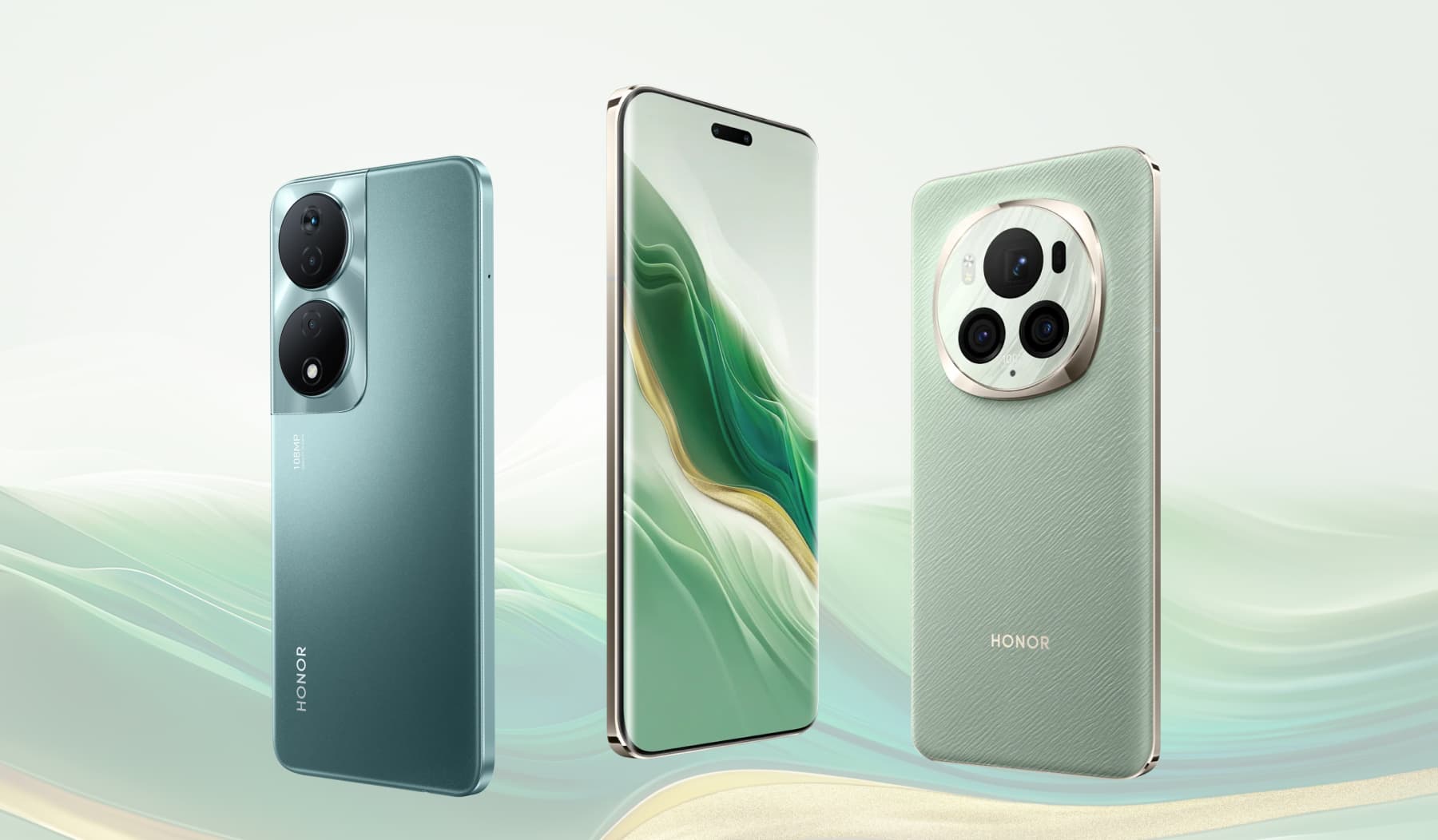
How Smartphones Have Transformed Communication in the Digital Age
In the digital age, smartphones have fundamentally transformed communication, making it faster and more accessible than ever before. From the moment they entered the market, smartphones have replaced traditional forms of communication such as landline phones and even email, providing users with a seamless way to connect. With the advent of instant messaging apps like WhatsApp and social media platforms such as Facebook and Twitter, people can now communicate with friends, family, and colleagues across the globe in real-time, breaking down geographical barriers.
Moreover, smartphones have introduced a plethora of features that enhance communication. For example, video calling applications like Zoom and Skype enable face-to-face interaction regardless of distance, fostering a sense of personal connection. Furthermore, the integration of various apps allows users to share images, documents, and even their locations with a simple tap. As a result, these devices have not only improved communication efficiency but have also shaped the way we express our thoughts and emotions, making communication more vibrant and interactive.
Counter-Strike is a popular first-person shooter game that has captivated gamers since its release. Players can engage in thrilling team-based matches, where strategy and skill are key to success. For those looking to enhance their mobile experience, consider checking out the Top 10 iPhone privacy screen protectors to keep your device secure while gaming on the go.
The Impact of Smartphone Technology on Everyday Life
The advent of smartphone technology has dramatically transformed the way individuals interact with the world around them. From instant communication to accessing vast amounts of information, smartphones have become an integral part of daily life. According to recent studies, over 80% of the global population now owns a smartphone, highlighting its widespread adoption. This technology has simplified tasks such as shopping, banking, and learning, enabling users to complete everyday activities with just a few taps. For instance, mobile apps like online banking services allow users to manage finances effortlessly, while educational apps promote learning on-the-go.
Moreover, smartphone technology has also had a significant impact on social interactions and personal relationships. Social media platforms, made easily accessible via smartphones, have fostered connections among friends and family, regardless of geographical barriers. However, it is essential to consider the challenges that come along with this connectivity. The constant access to notifications and information can lead to distractions, affecting productivity and mental health. Striking a balance between the advantages of smartphone use and the potential drawbacks is crucial for maintaining a healthy lifestyle in our increasingly digital world.
Are We Too Dependent on Our Smartphones?
The proliferation of smartphones in recent years has transformed the way we communicate, work, and access information. While these devices offer convenience and connectivity, there is an ongoing debate about whether we are becoming too dependent on our smartphones. Many people often find themselves checking their phones multiple times an hour, even during face-to-face interactions. This dependency can lead to distractions, reduced attention spans, and even negative impacts on mental health as individuals struggle to disconnect from their devices.
Studies suggest that excessive smartphone use can contribute to anxiety and depression, as users may constantly compare themselves to curated representations of life on social media. Are we too dependent on our smartphones? To navigate this issue, it's essential to recognize the signs of dependency, such as feeling anxious without your device or prioritizing smartphone use over personal interactions. Finding a balance between utilizing technology for productivity and maintaining genuine human connections is crucial in an increasingly digital world.