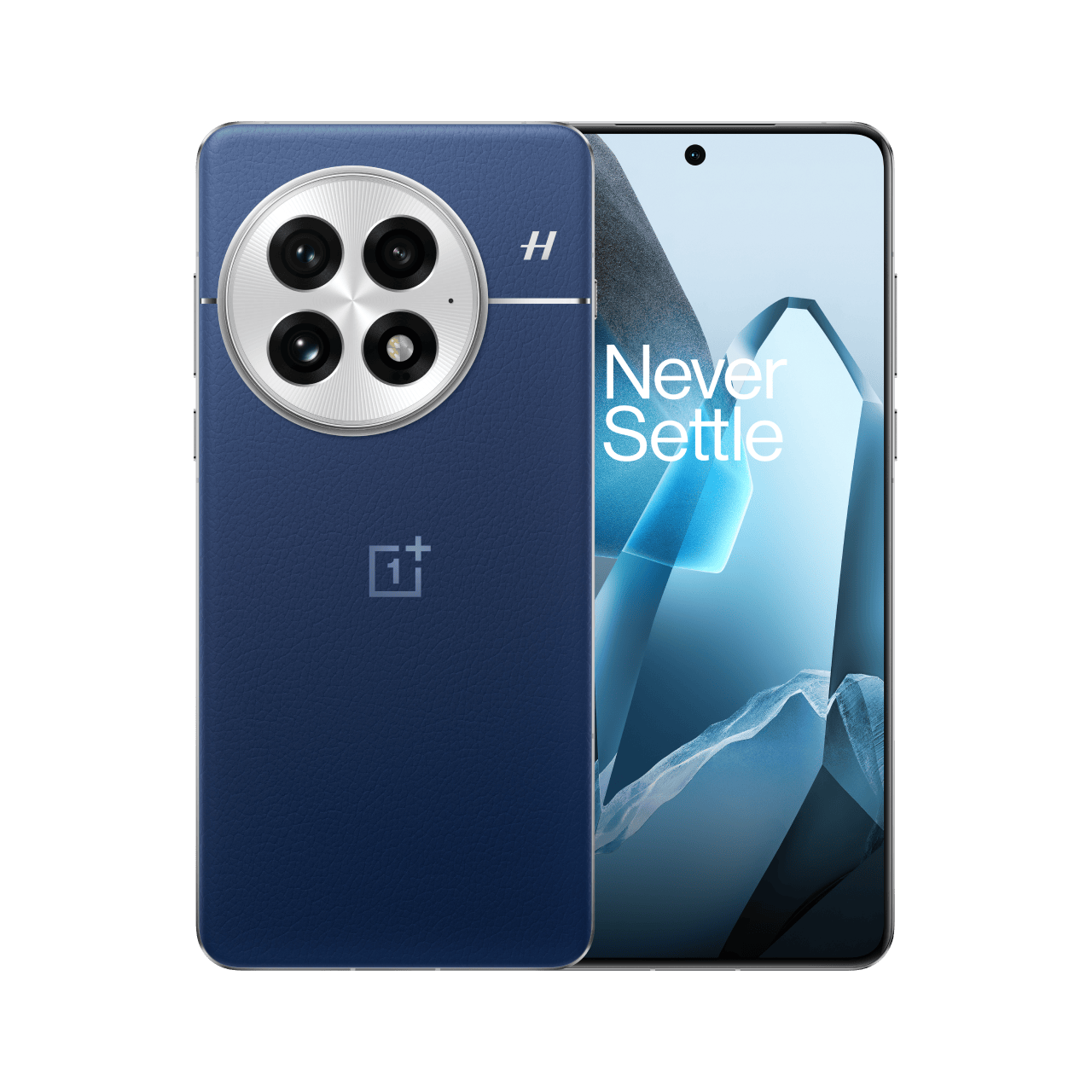
The Evolution of Smartphones: From Bricks to Pocket Computers
The evolution of smartphones has been nothing short of remarkable. In the early 1990s, mobile phones resembled hefty bricks, designed solely for making calls. These early devices were bulky and lacked the features we take for granted today. With the advent of the first smartphones in the late 1990s, like the IBM Simon, technology began to take a transformative turn. This device not only allowed voice communication but also featured a touchscreen, email capabilities, and even a calendar. As technology progressed, manufacturers began to integrate more functionalities, paving the way for today's highly capable pocket computers.
As we moved into the 2000s, the smartphone market witnessed a seismic shift with the introduction of the iPhone in 2007. Its sleek design and user-friendly interface revolutionized how we think about mobile devices. Following closely, Android emerged, providing a robust alternative that fueled competition and innovation in the industry. Today, we carry powerful mini-computers in our pockets that enable us to connect, work, and entertain ourselves like never before. The shift from basic communication devices to sophisticated pocket computers has fundamentally changed how we interact with technology and the world around us.
Counter-Strike is a popular tactical first-person shooter game that has captivated gamers since its initial release in 1999. Players engage in team-based combat, where they can choose to play as either terrorists or counter-terrorists. The game emphasizes teamwork, strategy, and precision shooting, making it a favorite in the esports community. For those looking to enhance their gaming experience, incorporating the right tools can be essential. Check out the Top 10 iphone video accessories to elevate your gameplay.
Hidden Features of Your Smartphone That You Probably Don't Know
Smartphones are packed with features that often go unnoticed by most users. One of the hidden features worth exploring is the ability to customize your home screen with widgets. For instance, both Android and iOS allow you to add widgets that can display real-time information such as weather updates, calendar events, or even your favorite social media feeds right on your home screen. This not only enhances accessibility but also makes your smartphone experience more personalized. Additionally, consider checking out the shortcut settings on your device to streamline your daily tasks.
Another remarkable hidden feature is the ability to control your smartphone's settings with voice commands. Virtual assistants like Google Assistant and Siri can do more than just set alarms or make calls. You can ask them to toggle Wi-Fi, adjust brightness levels, or even send texts without lifting a finger. If you're looking for a hands-free experience or simply want to make your day-to-day smartphone usage more efficient, this feature can be a game changer. Always remember to explore the settings of your virtual assistant to unlock its full potential!
How Smartphones Have Changed the Way We Communicate Forever
The advent of smartphones has revolutionized the way we communicate, making it faster and more convenient than ever before. No longer are we confined to lengthy email exchanges or expensive overseas calls; instant messaging and social media platforms have emerged as the primary channels for interpersonal communication. With a simple tap on the screen, we can connect with friends and family across the globe, sharing photos, videos, and messages in real-time. This accessibility has not only strengthened our personal relationships but has also enabled businesses to engage with their customers in a more direct and interactive manner.
Moreover, smartphones have introduced a variety of communication tools that cater to diverse preferences and styles. From video calls via apps like Zoom and FaceTime to collaborative platforms such as Slack and Microsoft Teams, our options for engaging with others continue to expand. As a result, traditional forms of communication, such as telephone calls and letters, have become increasingly obsolete. This shift has forever altered the landscape of communication, emphasizing the need for adaptability in how we convey information and connect with one another.