Top 10 Hidden Mac Storage Features You Didn't Know About
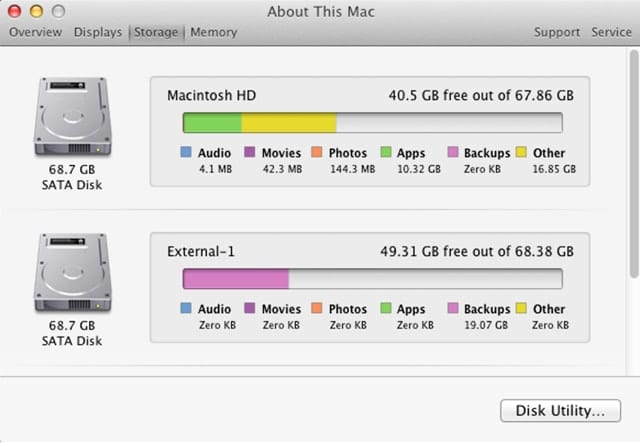
When it comes to optimizing your Mac's performance, many users overlook some of the hidden storage features that can significantly enhance their experience. For instance, did you know that macOS includes a built-in Storage Management tool? This feature allows you to monitor your disk usage and identify large files, duplicate documents, and other items that you may no longer need. You can access it by clicking on the Apple menu, selecting 'About This Mac,' and then navigating to the 'Storage' tab followed by 'Manage.'
Another impressive yet often underutilized feature is the Optimize Storage option, which automatically removes watched movies and TV shows from your device while still keeping them accessible in iCloud. Additionally, enabling Empty Trash Automatically settings can help reclaim space by automatically deleting items that have been in the Trash for more than 30 days. By utilizing these features, you can effectively manage your Mac's storage without the hassle of manually deleting files regularly.
Counter-Strike is a highly popular first-person shooter game that emphasizes teamwork and strategy. Players can choose to be a part of either the terrorist or counter-terrorist team, engaging in various objective-based gameplay modes. For gamers looking to enhance their performance, utilizing high-speed storage can be crucial; check out the Top 10 external ssds for mac for options that can improve load times and overall gaming experience.
How to Free Up Space on Your Mac Without Deleting Anything
If you're running low on storage space on your Mac, there are several effective ways to free up space on your Mac without deleting anything. Start by checking the 'About This Mac' section under the Apple menu, and navigate to the 'Storage' tab. Here, you'll get a breakdown of what's consuming your disk space. One of the easiest methods is to use the built-in 'Optimize Storage' feature. This option automatically removes movies and TV shows you've already watched from iTunes and allows you to store your files in iCloud, thus keeping your local storage free.
Another effective technique to free up space on your Mac is by managing large and infrequently used files. Use the 'Finder' to sort your documents by size, and consider moving these to an external hard drive or cloud storage instead of deleting them. Additionally, emptying your Mac's cache can yield significant space. Open 'Finder', then press 'Command + Shift + G' and type in /Library/Caches to access cache files you can remove without any worry.
Is Your Mac Running Slow? Here's How to Identify and Remove Storage Hogs
If you’ve noticed that your Mac is running slow, one of the primary culprits could be storage hogs consuming your disk space. To identify these space-eating applications and files, start by checking your storage usage. Navigate to the Apple menu, select 'About This Mac', and then click on the 'Storage' tab. This interface will give you a visual breakdown of what's taking up space on your device, including Apps, Documents, and System files. Consider removing large files, such as videos or downloads that you no longer need, and uninstalling apps that you rarely use. You might also want to take a look at the 'Manage' option to explore recommendations for optimizing your storage.
In addition to the built-in tools, utilizing third-party applications can greatly assist in pinpointing these storage hogs. Programs like DaisyDisk and CleanMyMac allow you to scan your hard drive and visualize disk usage, making it easier to identify large files and folders. Once you’ve located them, consider moving these files to an external drive or deleting them altogether. Remember, regularly maintaining your Mac by clearing out unnecessary files will not only help improve performance but also extend the life of your device. So if your Mac is running slow, take the time to manage your storage proactively!