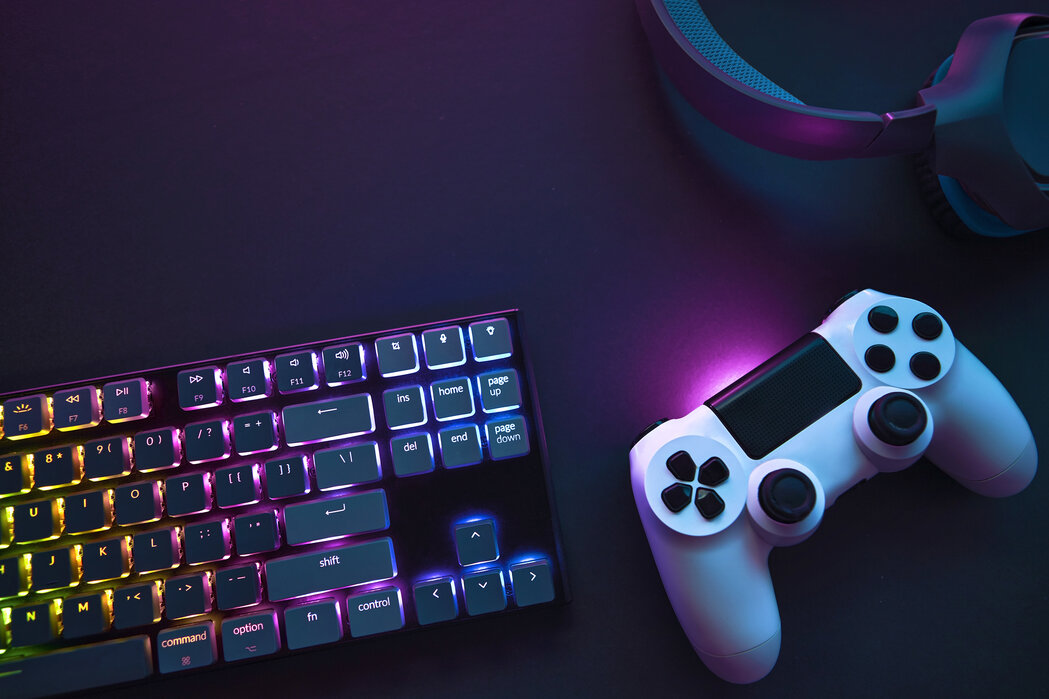
Unlocking Skills: How Gaming Enhances Problem-Solving Abilities
Gaming is often perceived as mere entertainment, but a growing body of research suggests that it significantly enhances problem-solving abilities. Engaging in various genres of video games, particularly puzzle and strategy games, encourages players to think critically and devise solutions on the fly. For instance, games like Portal and Starcraft require players to analyze complex situations, prioritize tasks, and adapt their strategies in real-time. This constant mental exercise fosters a mindset that values innovation and flexibility—skills that are vital both in personal and professional spheres.
Moreover, the collaborative nature of many modern games promotes teamwork and communication, further enhancing problem-solving skills. Titles such as Overwatch and Fortnite force players to work together, strategizing to overcome challenges and reach shared goals. This collaboration not only sharpens individual problem-solving capabilities but also teaches valuable lessons about delegation and collective effort. In summary, gaming serves as a unique platform that cultivates essential cognitive skills, preparing players for real-world challenges.
Counter-Strike is a popular first-person shooter game that involves team-based gameplay, where players can join either the terrorist or counter-terrorist team. Its competitive nature and strategic gameplay have made it a favorite among gamers worldwide. For those who enjoy mobile gaming, check out the Top 10 iPhone gaming accessories to enhance your experience. The game continues to evolve, with numerous updates and new releases keeping the community engaged.
The Science Behind Gaming: Exploring Its Positive Impact on Mental Health
Recent studies have highlighted the significant positive impact that gaming can have on mental health. Engaging in video games can serve as a form of stress relief, allowing players to escape from daily pressures while providing a sense of accomplishment through gameplay. Additionally, various genres of games encourage social interaction, which can help combat feelings of loneliness and isolation. For instance, multiplayer online games foster connections between players, promoting teamwork and collaboration. This social aspect has been shown to enhance overall well-being and improve self-esteem.
Moreover, gaming can also improve cognitive functions, such as problem-solving skills and memory retention. Research indicates that certain games require players to think critically and adapt strategies on the fly, honing their ability to process information quickly. As a result, individuals who regularly participate in gaming often report enhanced focus and improved decision-making abilities. Overall, the convergence of these benefits contributes to a more positive outlook on mental health and reinforces the notion that gaming, when approached responsibly, can be a valuable tool for psychological well-being.
Can Gaming Improve Your Career? Discover the Transferable Skills from Play to Profession
Many people view gaming as merely a pastime, but recent studies suggest that it can significantly improve your career by enhancing essential skills that are highly sought after in the workplace. From strategic thinking to collaborative problem-solving, video games often require players to develop a range of abilities that translate seamlessly into various professional environments. For example, engaging in multiplayer online games can cultivate teamwork and communication skills, as players must work together to achieve common goals. These experiences help foster a mindset that values collaboration, making gamers more adept at navigating team dynamics in their careers.
Furthermore, gaming promotes critical thinking and adaptability, traits that are invaluable in today's fast-paced job market. When faced with complex challenges in a game, players must quickly analyze situations and pivot strategies, which mirrors the demands of many professions. Moreover, the resilience developed through overcoming in-game obstacles can bolster an individual's ability to handle setbacks in their career. Understanding that failure is often a stepping stone to success can profoundly influence one's professional journey. In essence, the skills gained from gaming not only enhance personal growth but also equip individuals with a competitive edge as they advance in their careers.