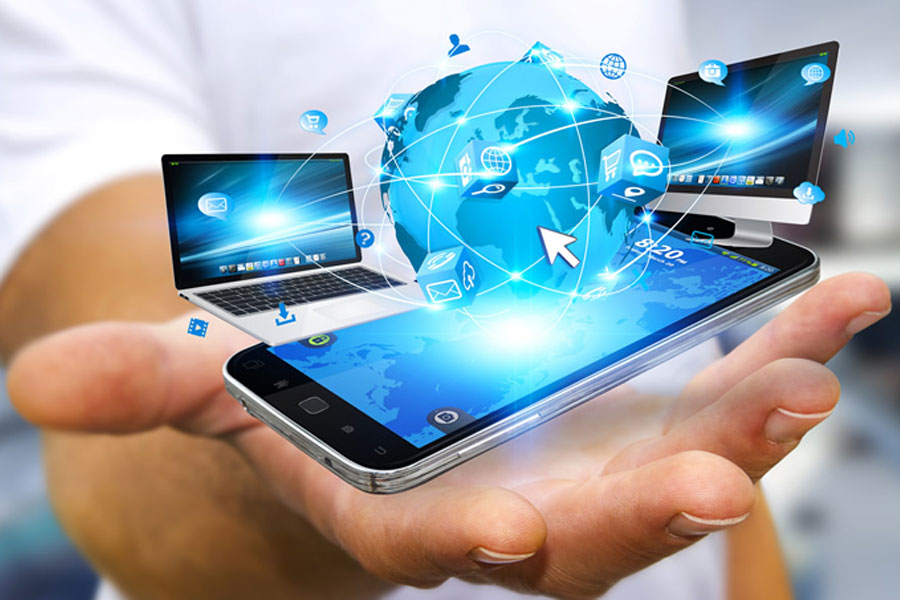
The Invisible Influence: How Smart Devices Are Reshaping Our Routines
In today's fast-paced world, smart devices have become an integral part of our daily lives, subtly reshaping our routines without us even realizing it. From smartphones and smartwatches to home automation systems, these technologies offer unprecedented convenience, allowing us to manage our tasks more efficiently. For instance, with the ability to set reminders, control lighting, and even monitor our health, smart devices are seamlessly integrated into our everyday activities, creating new habits and reshaping our schedules.
The invisible influence of smart devices extends beyond mere convenience; they are actively changing how we interact with our environment and each other. The use of voice-activated assistants, like Amazon's Alexa and Google Assistant, has transformed how we gather information and execute tasks, making our lives easier yet also more dependent on technology. As we become accustomed to these devices, we might find ourselves prioritizing smart technology over traditional methods, leading to a shift in our social interactions and lifestyle choices.
Counter-Strike is a highly popular first-person shooter game that pits two teams against each other, the Terrorists and the Counter-Terrorists. It emphasizes teamwork, strategy, and skill, making it a favorite among competitive gamers. Players can also enhance their gaming experience with various accessories, including those specifically designed for children, such as Top 10 iPad Accessories for Kids.
From Morning to Night: The Devices Guiding Our Daily Decisions
In today's digital age, our everyday decisions are increasingly influenced by an array of devices that guide us from morning to night. As soon as we wake up, smartphones and smart alarms help us track our sleep patterns and set the tone for our day. These devices not only wake us up but also deliver notifications on weather updates, news alerts, and social media messages, making them integral to our morning routine. As we sip our coffee, many of us rely on smart speakers to play our favorite tunes or podcasts, further shaping our daily decisions and enhancing our productivity.
As the day progresses, we encounter various devices that facilitate our choices – from smartwatches that monitor our health metrics to fitness apps that motivate us to exercise. When it comes to evening decisions, smart home technology steps in, allowing us to adjust lighting or temperature for comfort. Not only do these devices enhance our lives, but they also collect data to personalize our experiences. As night falls, we often find ourselves unwinding by scrolling through social media feeds on tablets or binge-watching favorite shows on streaming devices, underscoring how technology continuously guides our decisions and shapes our lifestyle choices.
Are We Too Dependent? Exploring the Impact of Technology on Everyday Life
In today's fast-paced world, it often feels like we are living in a technology-driven society where our daily existence is intertwined with various digital tools and platforms. From smartphones to smart homes, technology has woven itself into the very fabric of our lives. While these advancements offer convenience and connectivity, they also raise the critical question: Are we too dependent on technology? The reliance on devices for tasks ranging from communication to navigation may hinder our ability to engage in face-to-face interactions and navigate the world independently.
Moreover, the impact of this dependence extends beyond social interactions; it also affects our cognitive abilities and mental health. Studies indicate that excessive screen time and reliance on digital tools can lead to diminished attention spans and increased levels of anxiety. As we delve deeper into this topic, we must consider the long-term consequences of our dependence on technology. Are we sacrificing our ability to think critically and solve problems independently? As we explore the balance between utilizing technology for productivity and maintaining autonomy, it becomes evident that understanding our relationship with these tools is essential for a healthier future.