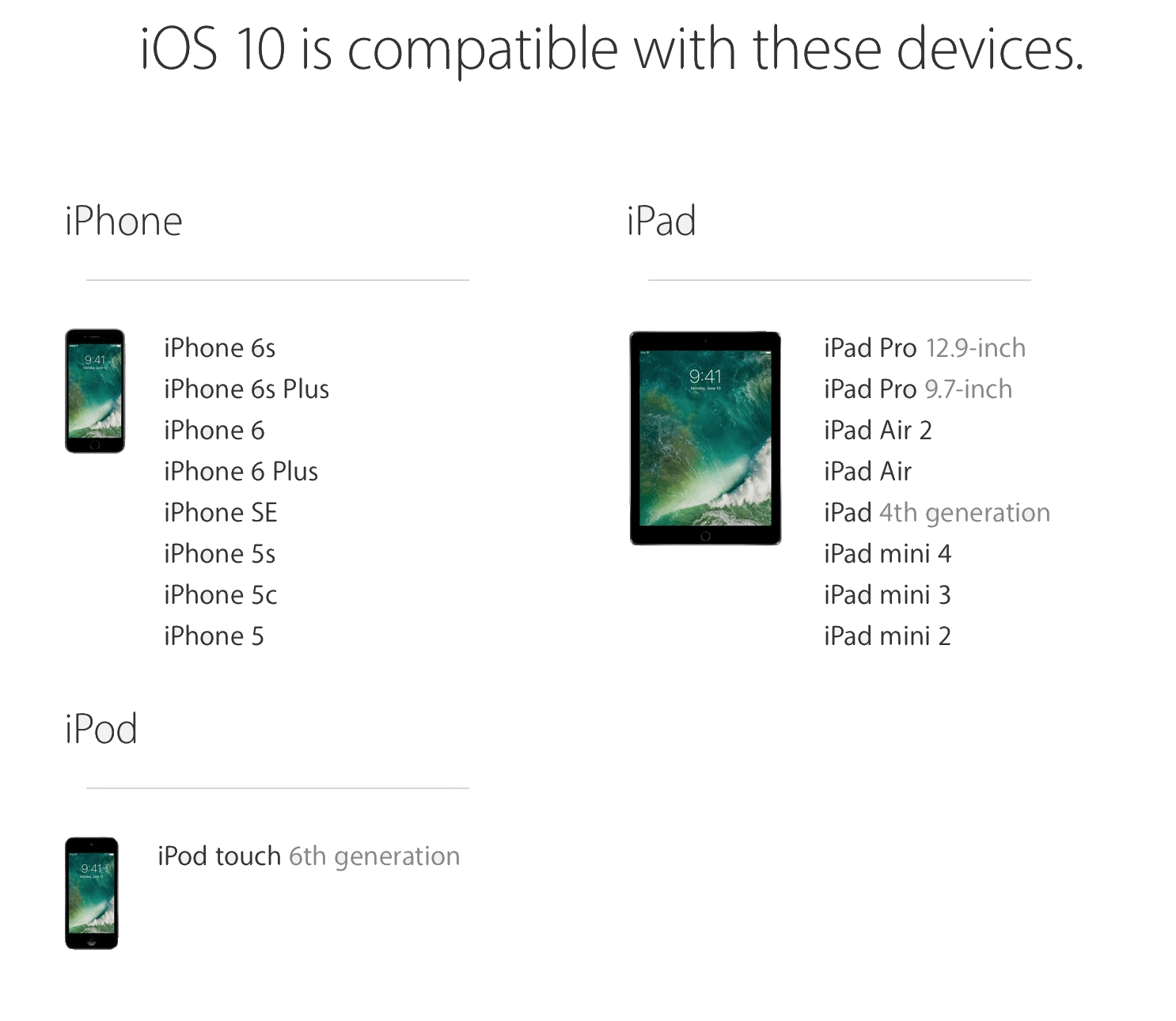
Understanding Device Compatibility: The Key to Seamless Connectivity
In today's digital landscape, understanding device compatibility is crucial for ensuring seamless connectivity across various platforms and devices. With an ever-growing number of smart devices and operating systems, users expect their technologies to work harmoniously together. By prioritizing device compatibility, businesses and developers can create products that enhance user experience and foster customer loyalty. This involves considering different screen sizes, resolutions, and operating systems, as well as optimizing for various browsers and network conditions.
To achieve optimal device compatibility, it's essential to adopt responsive design practices and test applications thoroughly across a variety of platforms. This includes employing techniques such as mobile-first design, which prioritizes functionality on mobile devices, and utilizing cross-platform development tools to streamline the process. Additionally, staying informed about the latest trends in technology and user preferences can help developers anticipate compatibility challenges before they arise, allowing for a more seamless user experience from the outset.
Counter-Strike is a popular first-person shooter game that has become a staple in the esports community. Players can engage in team-based combat, completing various objectives ranging from bomb defusal to hostage rescue. It offers a competitive environment where strategy, teamwork, and quick reflexes are essential for success. Additionally, gamers often look for peripherals to enhance their experience, such as Top 10 iphone car chargers to keep their devices powered during intense gaming sessions.
Do Your Devices Get Along? Signs of Compatibility Issues
In our increasingly interconnected world, device compatibility plays a crucial role in ensuring a seamless user experience. If you find that your gadgets are not communicating effectively, it might be an indication of compatibility issues. Common signs include frequent connectivity drops, failure to sync data, and inconsistent performance across devices. Understanding these signs of compatibility issues can save you time and frustration, allowing you to address problems before they escalate. Look out for any unusual behaviors; they may signify the need for firmware updates or even hardware replacements.
Another important aspect to consider is the operating systems of your devices. For instance, if you notice that your smartphone struggles to share files with your laptop or that a particular app doesn’t function well across platforms, it’s a telltale sign of incompatibility. Compatibility issues may also arise from connectivity standards, such as Bluetooth or Wi-Fi versions, which can impact the efficiency of communication between devices. To minimize these issues, always ensure that your software is up to date and that devices are compatible with each other before making a purchase.
The Compatibility Checklist: Are Your Gadgets in Sync?
In an era where technology reigns supreme, ensuring that your gadgets are compatible is paramount to achieving a seamless tech experience. Start by assessing the compatibility of your devices across various platforms. For instance, check if your smartphone's operating system supports the latest apps, or if your smart home devices can communicate with each other effectively. Below is a simple checklist to help you evaluate compatibility:
- Verify the operating systems of your devices.
- Ensure Wi-Fi and Bluetooth functionalities are up-to-date.
- Check for software updates for all connected gadgets.
Another crucial aspect of device compatibility is the ecosystem they belong to. Devices from the same brand often offer better synchronization, but this is not always a hard and fast rule. Examine the integration of your gadgets; for example, can your laptop easily connect with your smart speakers or streaming devices? In addition, consider testing the following:
- Cross-device functionality: Can you share files between devices seamlessly?
- App compatibility: Are the apps you use on one device available on the others?
By following this compatibility checklist, you can ensure that your gadgets work in harmony, enhancing your tech experience.